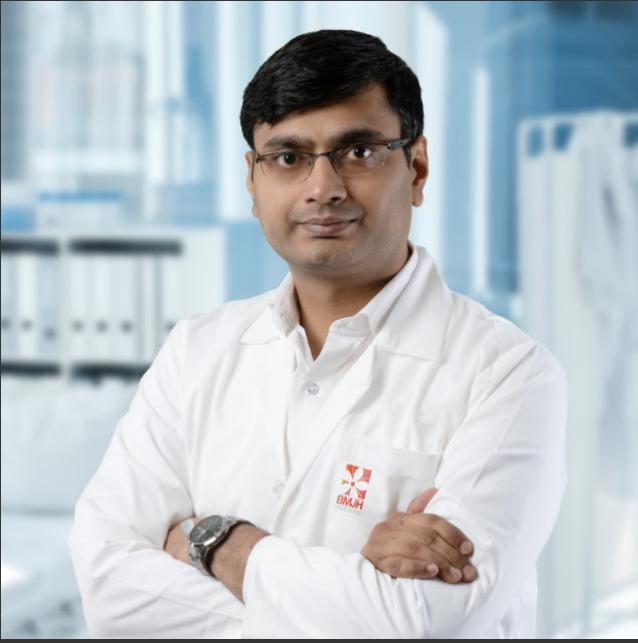
Cancer is a complex disease, and unfortunately, it is surrounded by myths and misconceptions that can hinder awareness, prevention, and timely treatment. As an oncologist, I believe it’s crucial to address these myths with evidence-based information to empower individuals and communities.
Myth: Cancer is always a death sentence. Fact: Advances in early detection, cutting-edge treatments, and holistic patient care have dramatically improved survival rates for many cancers. With proper intervention, many individuals lead long, fulfilling lives post-diagnosis.
Myth: A family history of cancer is the only risk factor. Fact: While genetics are significant, lifestyle factors such as smoking, poor diet, physical inactivity, and excessive sun exposure are equally important contributors to cancer risk.
Myth: Antiperspirants or deodorants can cause breast cancer. Fact: No conclusive evidence supports this claim. Concerns about substances like aluminum compounds and parabens remain speculative. Products labeled as free of these chemicals can provide peace of mind but are not proven to reduce cancer risk.
Myth: Microwaving food in plastic containers releases harmful, cancer-causing substances. Fact: Plastics labeled as microwave-safe are rigorously tested and do not pose a cancer risk. However, avoid using containers not designed for microwave use, as they can melt and release chemicals.
Myth: Sugar fuels cancer growth. Fact: All cells, including cancer cells, rely on glucose for energy. However, consuming sugar does not cause cancer cells to grow faster. Excessive sugar intake can lead to obesity and diabetes, which are associated with increased cancer risks.
The Role of Artificial Intelligence in Modern Oncology: AI is transforming cancer care through:
- Early detection: Advanced imaging and AI algorithms improve the accuracy of diagnoses.
- Personalized treatment: AI analyzes patient-specific data to optimize treatment plans.
- Accelerating research: By processing vast datasets, AI identifies trends and potential breakthroughs in cancer therapies.
By addressing these myths and leveraging technologies like AI, we can replace fear with knowledge, reduce stigma, and inspire informed action for prevention, diagnosis, and treatment.
Awareness is the first step toward empowerment. Let’s work together to build a future where myths no longer obstruct the path to health and hope.