2 min read

Could Your Morning Coffee Help Unlock the Next Breakthrough in Cancer Research?

Could a compound in your morning coffee help scientists understand cancer biology? A new Texas A&M study on the NR4A1 receptor explains what it means and what it does not.

01Article

Key takeaways

  • A Texas A&M University study published in Nutrients identified a cellular receptor called NR4A1 that is activated by naturally occurring compounds found in coffee.
  • Polyphenols, rather than caffeine, were primarily responsible for activating the NR4A1 pathway linked to cellular stress, inflammation, metabolism and cancer-related biology.
  • The findings do not mean drinking coffee prevents or treats cancer; they help scientists understand how coffee compounds interact with cellular pathways involved in cancer biology.
  • Current evidence still supports avoiding tobacco, maintaining a healthy weight, staying active, limiting alcohol, eating a balanced diet and attending recommended cancer screening.

When we think about cancer breakthroughs, we often picture new drugs, immunotherapy, or precision medicine.

But sometimes, important discoveries begin with something much more familiar - a cup of coffee.

A recent study from Texas A&M University, published in the peer-reviewed journal Nutrients, identified a cellular receptor called NR4A1, which appears to be activated by naturally occurring compounds found in coffee.

Why is this significant?

NR4A1 plays an important role in regulating: Cellular stress responses Inflammation Metabolism and tissue repair Biological pathways that are also involved in cancer development and progression

Interestingly, researchers found that polyphenols - rather than caffeine - were primarily responsible for activating this pathway.

What does this mean for cancer research?

The findings do not mean that drinking coffee prevents or treats cancer.

Instead, they help scientists better understand how naturally occurring compounds interact with cellular pathways involved in cancer biology. Insights like these may one day contribute to the development of new preventive strategies or targeted therapies.

This is how science advances - by uncovering the molecular mechanisms behind everyday observations and translating them into future innovations.

What should patients know?

Current evidence remains unchanged:

Coffee can be enjoyed in moderation as part of a healthy lifestyle for most adults. No single food or beverage can prevent or cure cancer. The strongest evidence for reducing cancer risk continues to support avoiding tobacco, maintaining a healthy weight, staying physically active, limiting alcohol consumption, eating a balanced diet, and participating in recommended cancer screening programs.

Every scientific discovery, no matter how small, brings us one step closer to understanding cancer - and ultimately, improving patient care.

References

  • Hailemariam A, Upadhyay S, Oany AR, et al. Brewed Coffee and Its Components Act Through Orphan Nuclear Receptor 4A1 (NR4A1). Nutrients. 2026;18(6):877. DOI: 10.3390/nu18060877.

Frequently asked questions

Does drinking coffee prevent or treat cancer?
No. The article makes clear that the findings do not mean drinking coffee prevents or treats cancer. They help scientists better understand how naturally occurring compounds interact with cellular pathways involved in cancer biology.
What did the Texas A&M study find about coffee?
Published in the journal Nutrients, the study identified a cellular receptor called NR4A1 that appears to be activated by naturally occurring compounds in coffee. Researchers found that polyphenols, rather than caffeine, were primarily responsible for activating this pathway.
Is it safe to drink coffee?
For most adults, coffee can be enjoyed in moderation as part of a healthy lifestyle. However, no single food or beverage can prevent or cure cancer.

coffee and cancer · does coffee prevent cancer · coffee cancer research · nr4a1 receptor · coffee polyphenols · coffee and cancer risk · can coffee cure cancer · coffee cancer study · cancer prevention diet · texas a&m coffee study

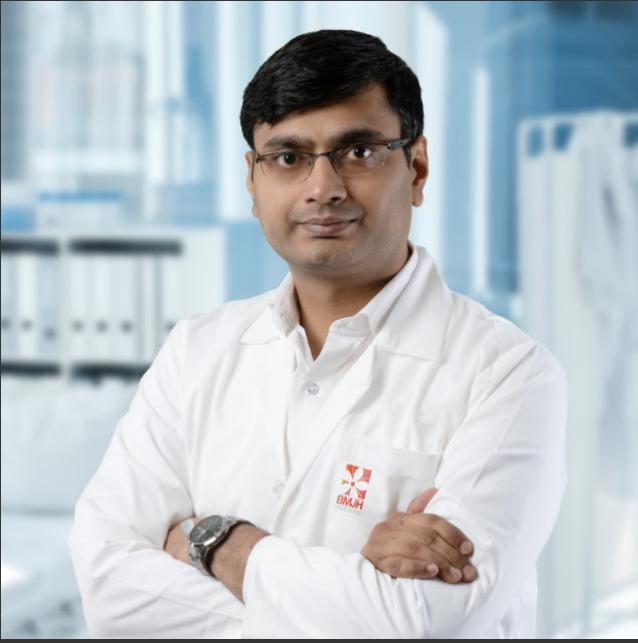
Dr. Amit Kumar Jain

Medically reviewed by

Dr. Amit Kumar Jain

Medical Oncologist & Hematologist · DrNB Medical Oncology

Bhagwan Mahaveer Jain Hospital, Vasanth Nagar, Bengaluru

Request an appointment
WhatsApp